
Turning a shortlist into a confident final decision.
If you've already identified a shortlist of potential partners and checked their track record, sector range and references, the final decision usually comes down to fit — which partner best matches your specific group, timing and budget, rather than which one is objectively "best" in the abstract.
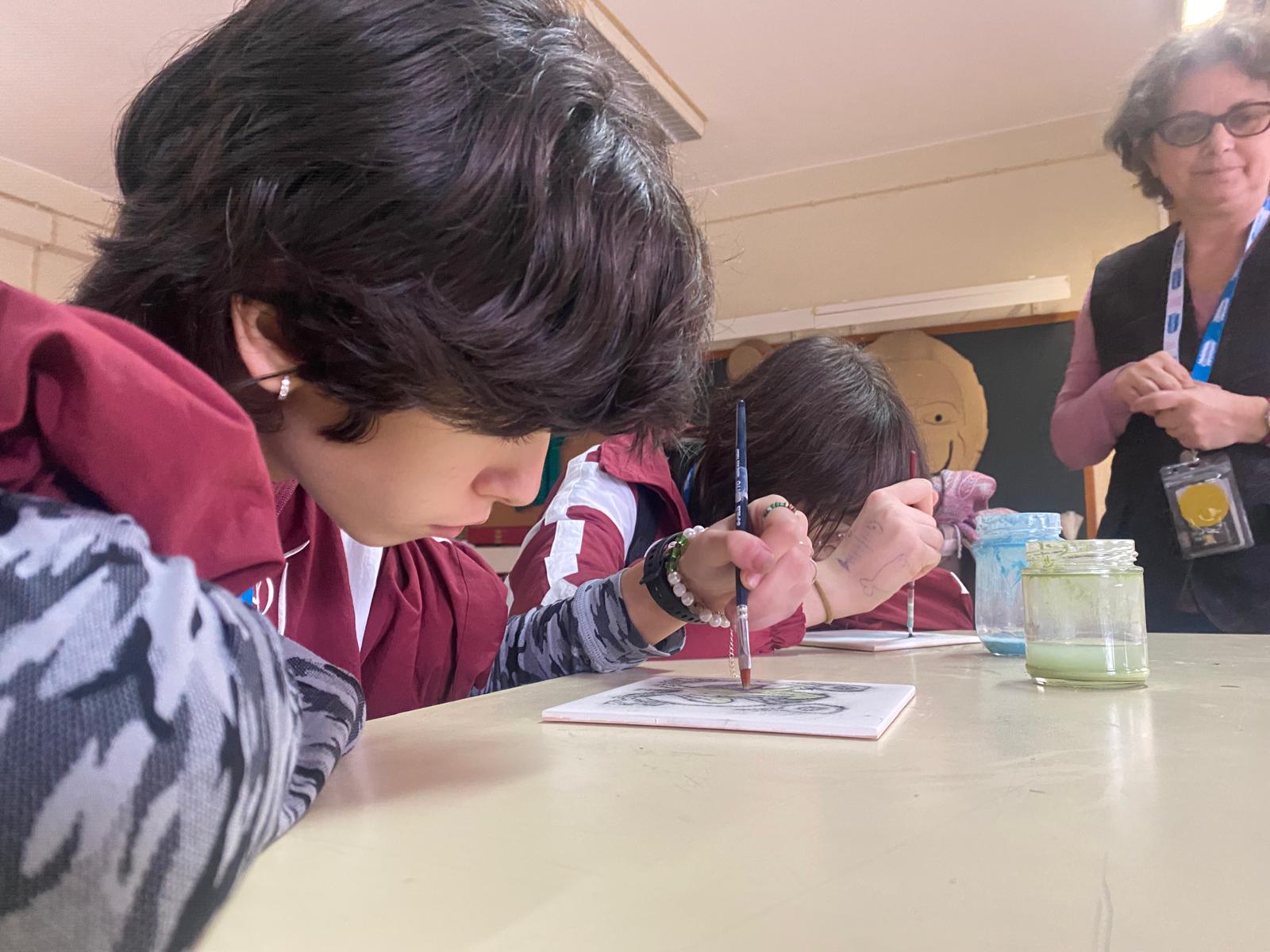
For schools still uncertain, sending a smaller first group — rather than committing a large cohort immediately — is a reasonable way to test a new partner before scaling up. Many long-running partnerships between schools and host organisations started with a modest first mobility that built trust over subsequent years.
A good first conversation with a shortlisted partner should leave you with a clear sense of what a placement for your students would actually look like, roughly what it would cost, and how quickly they respond to questions — three things that predict most of what matters once a mobility is underway.
The evaluation criteria behind this final decision.
Read more → Erasmus+ KA1Building the shortlist this decision is made from.
Read more → Erasmus+ PartnershipsWhat happens once the decision is made.
Read more →DNA Europe is a Lisbon-based host organisation for Erasmus+ KA1 VET mobility, coordinating placements, accommodation and documentation for partner schools.