
The specific work a host organisation takes on, so a school doesn't have to.
An Erasmus+ mobility provider — sometimes called a host organisation or receiving organisation — handles everything a sending school can't realistically manage from another country: finding and vetting companies, arranging accommodation, and supporting students once they arrive.
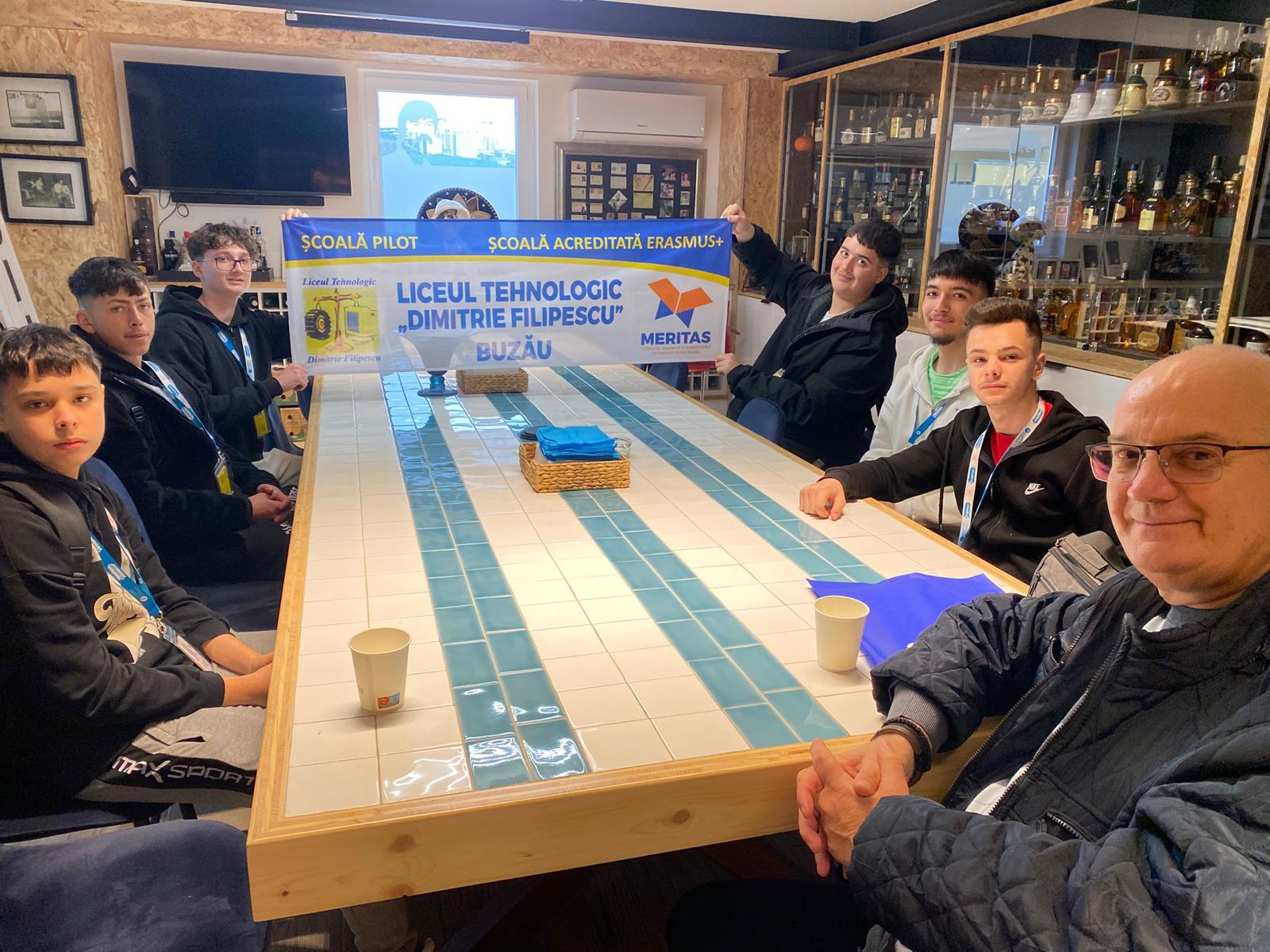
The division of labour is practical, not arbitrary: the sending school knows its students and manages the funding relationship with its National Agency; the provider knows the destination — its companies, its neighbourhoods, its logistics. Neither side could easily do the other's job well, which is why almost every VET mobility to a specific city runs through a local provider rather than the school managing everything itself.
The providers schools return to year after year tend to share a few traits: responsive communication, placements that consistently match what was promised, and a track record documented through repeat partnerships rather than a single successful group. That consistency is what a school is really evaluating when comparing providers.
A more detailed checklist of expected services.
Read more → Erasmus+ PartnershipsWhere to actually find a provider like this.
Read more → Erasmus+ PartnershipsTwo of a provider's core responsibilities, in more depth.
Read more →DNA Europe is a Lisbon-based host organisation for Erasmus+ KA1 VET mobility, coordinating placements, accommodation and documentation for partner schools.