From application to final report — the full lifecycle of a KA1 mobility project.
A KA1 project moves through the same broad stages regardless of how many students take part: application, preparation, the mobility itself, and reporting. Each stage has its own deadlines and responsibilities, and skipping ahead — confirming students before an application is even approved, for instance — is one of the more common planning mistakes.
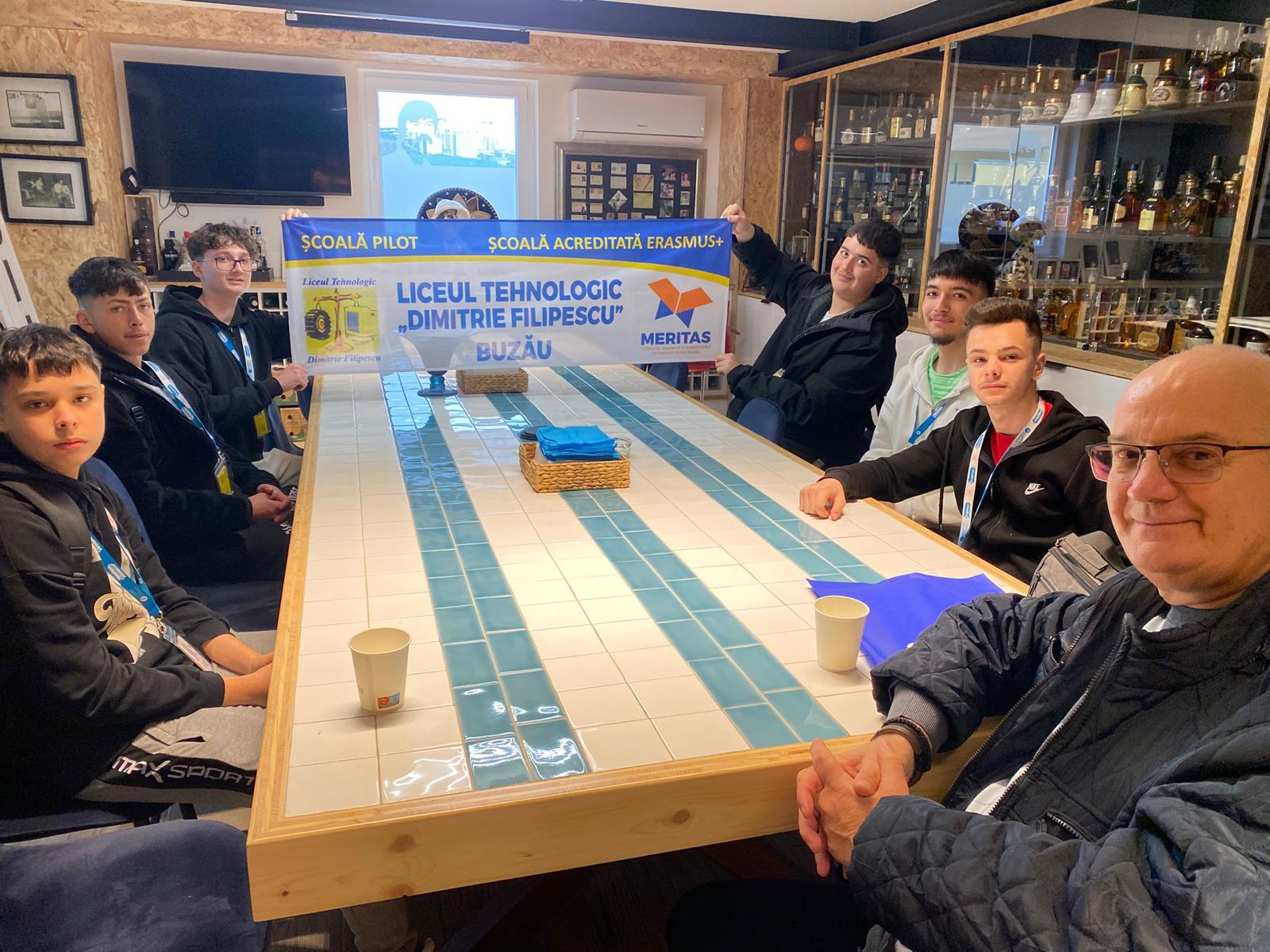
Application and reporting have fixed deadlines set by the National Agency, so they tend to happen on schedule almost by necessity. Preparation is the stage most likely to slip, because it depends on coordination between the school and a host partner abroad — confirming which companies can take students, in which fields, and by when.
This is also why the quality of a host partner matters as much as the funding decision itself. A partner who can confirm realistic placements early gives the school room to prepare properly, instead of finalising details days before departure.
For schools sending students to Lisbon, DNA Europe operates as the host-side partner for the preparation and mobility stages — confirming placements, arranging accommodation and transfers, and providing the monitoring and documentation a school needs to close its report. The application itself, and the relationship with the National Agency, stays with the sending school throughout.
The programme this project lifecycle sits within.
Read more → Erasmus+The paperwork behind each stage of the project.
Read more → Erasmus+ PartnershipsFinding the host-side partner this process depends on.
Read more →DNA Europe is a Lisbon-based host organisation for Erasmus+ KA1 VET mobility, coordinating placements, accommodation and documentation for partner schools.