The paperwork that follows once students are selected, from Learning Agreements to the final certificate.
Before a student travels, a small set of documents needs to be in place, agreed between the sending school, the student (and, for minors, a parent or guardian), and the host organisation. These aren't bureaucratic extras — they're what protects everyone if something needs to be adjusted mid-placement.
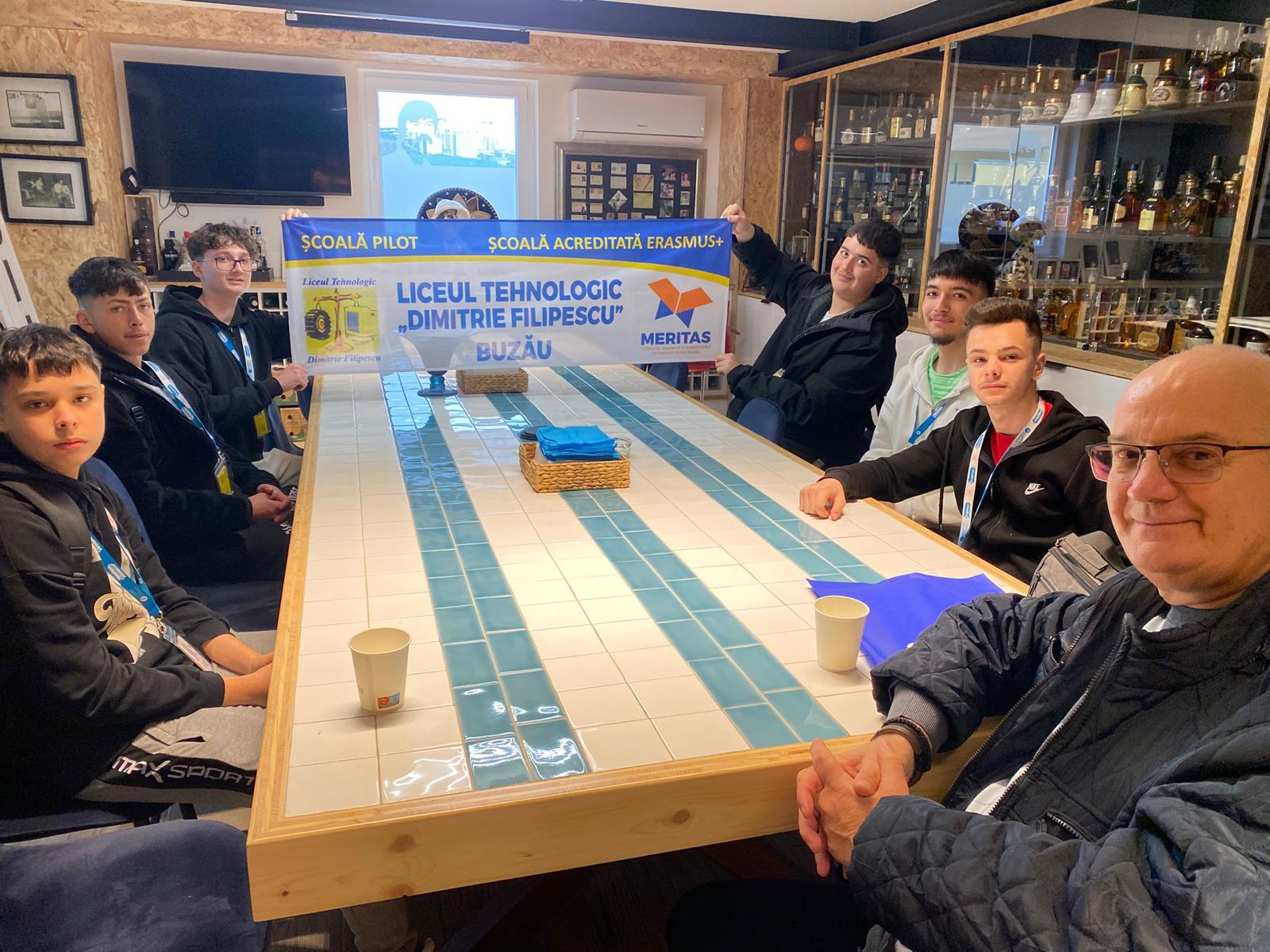
During the placement, attendance records and periodic check-ins document that the mobility is progressing as planned — this is what a workplace tutor and the school's coordinator typically maintain together. At the end, the host organisation issues a certificate confirming the placement took place, and where applicable, Europass documentation records the skills and tasks covered in a format recognised across the EU.
The sending school owns the grant relationship and the Learning Agreement; a good host partner prepares the on-the-ground documentation — placement confirmations, attendance records, evaluation forms and the final certificate — so the school isn't managing paperwork for a placement it can't see day to day. Confirming who's responsible for which document, before departure, avoids gaps in the school's final report to its National Agency.
Where this paperwork fits into the wider application process.
Read more → KA1Building a strong application before the paperwork stage begins.
Read more → VET InternshipsHow monitoring and documentation support placement quality.
Read more →DNA Europe is a Lisbon-based host organisation for Erasmus+ KA1 VET mobility, coordinating placements, accommodation and documentation for partner schools.