
Duration depends entirely on the mobility format — here's how the main options compare.
Erasmus+ doesn't set one standard duration — it defines several mobility formats, each with its own minimum and maximum length, and schools choose the one that fits their project's goals and their students' availability.
For VET learners specifically, the formats most schools use are:
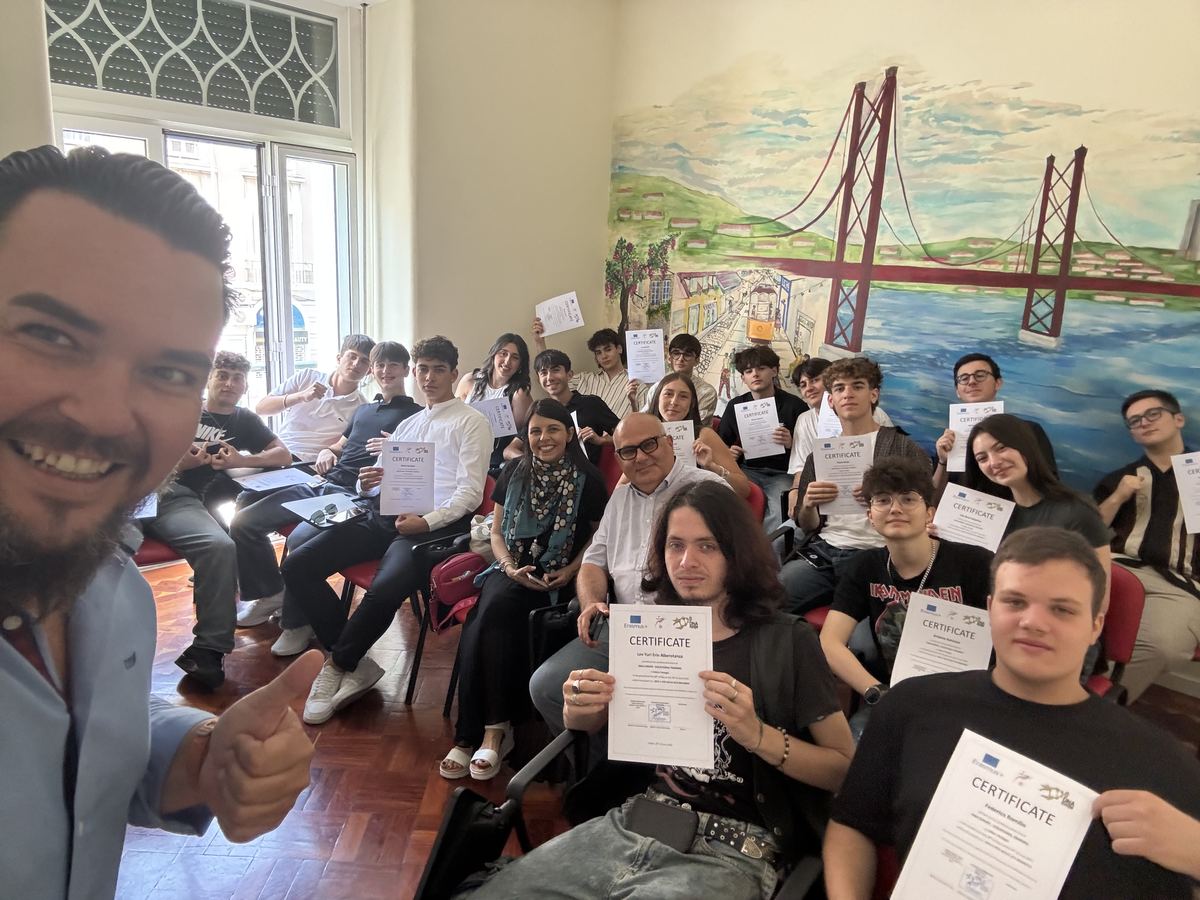
Short-term mobility (2 to 4 weeks in practice, for most first-time school groups) is popular because it fits within a school term, keeps travel and accommodation costs proportionate to the funding available, and is easier to plan around exam schedules. ErasmusPro suits a smaller number of students each year — usually those who can commit to an extended absence and who benefit most from deeper workplace immersion.
Whatever the format, the duration a school applies for should match what a host organisation can genuinely deliver — a two-week placement and a three-month placement require very different levels of company commitment and monitoring. It's worth confirming realistic durations with a host partner before finalising the application, rather than after.
Choosing a duration that matches your students and your project.
Read more → KA1The full range of mobility activities KA1 supports.
Read more → VET InternshipsHow VET mobility fits within the wider Erasmus+ programme.
Read more →DNA Europe is a Lisbon-based host organisation for Erasmus+ KA1 VET mobility, coordinating placements, accommodation and documentation for partner schools.