
The formal term behind every funded VET internship abroad, and how it fits within KA1.
"Mobility" is the term Erasmus+ uses for any funded period a participant spends in another country — a student on a work placement, a teacher job shadowing, a preparatory visit. An Erasmus+ VET mobility, specifically, refers to this happening within vocational education and training, funded under Key Action 1.
Plenty of students go abroad for work experience without any EU funding involved. What makes a placement an Erasmus+ VET mobility is that it's funded through a school's KA1 grant, follows a Learning Agreement agreed in advance, and is documented and reported back to a National Agency — the formal structure is what distinguishes it from an informal or self-arranged internship.
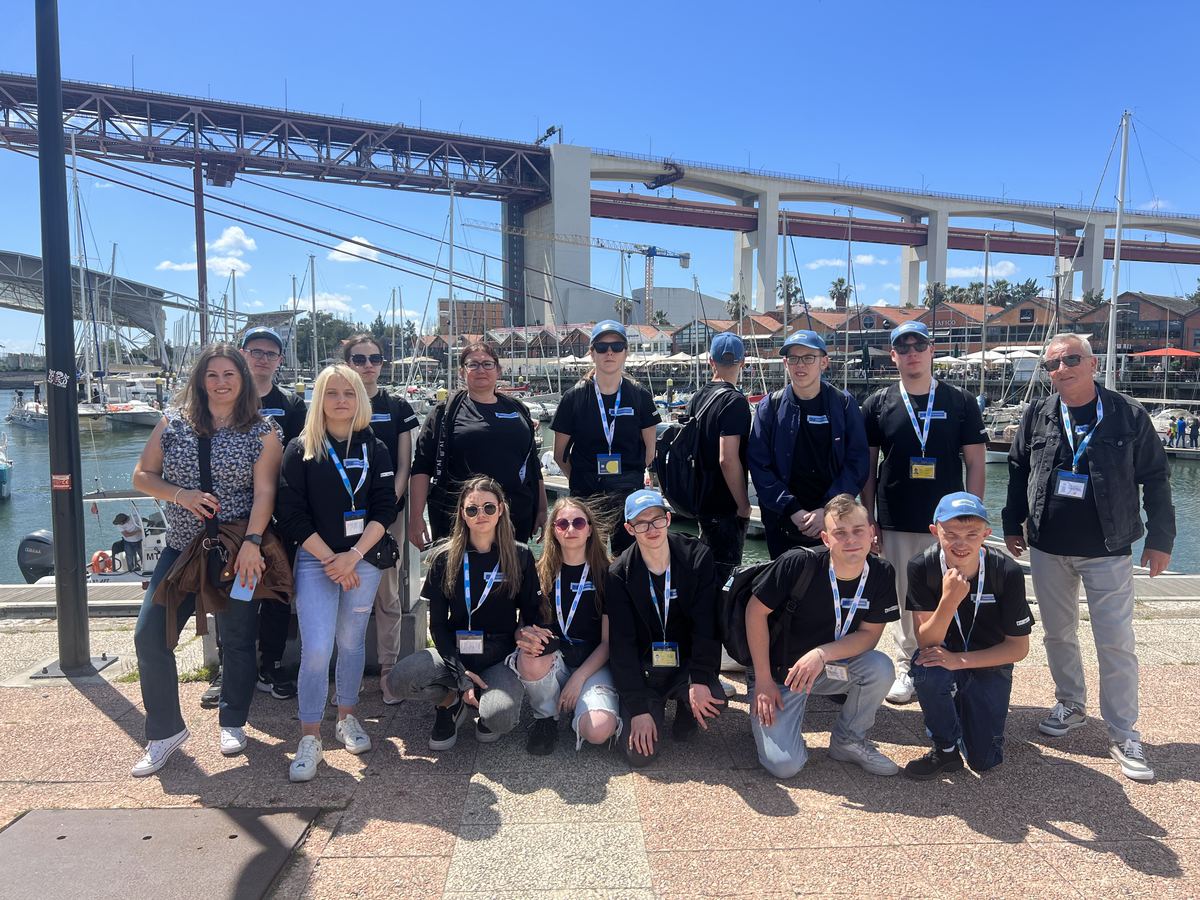
VET mobility is one specific use of KA1 funding — the same Key Action also funds staff mobility, group mobility and other formats covered in what activities can be funded under Erasmus+ KA1. For a vocational school, VET learner mobility is usually the format that matters most, since it's what puts students directly into a workplace abroad.
The practical, day-to-day version of what this article defines formally.
Read more → Erasmus+ KA1The Key Action that funds VET mobility.
Read more → Erasmus+ KA1How VET mobility compares to other KA1 formats.
Read more →DNA Europe is a Lisbon-based host organisation for Erasmus+ KA1 VET mobility, coordinating placements, accommodation and documentation for partner schools.