
What separates a mobility that runs smoothly from one that creates last-minute problems.
Most problems with a first Erasmus+ mobility trace back to timing, not funding. Confirming placements, accommodation and travel in the weeks right before departure leaves no room to fix a mismatch — a student placed in the wrong field, a host company that drops out, an insurance gap. Schools that run smooth mobilities typically start the practical planning three to four months ahead, even if the funding decision itself comes later.
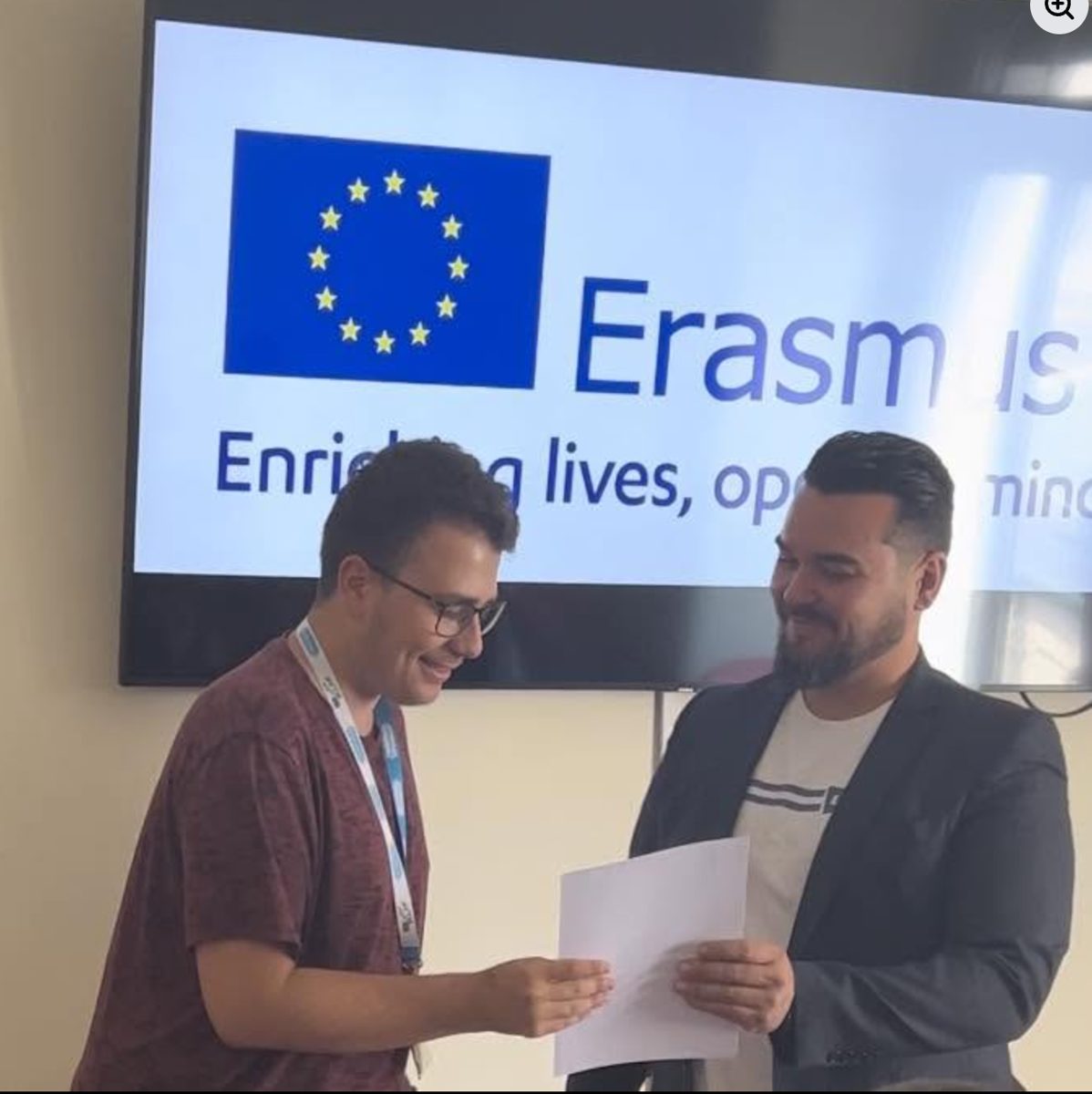
Very few schools have the local knowledge to arrange placements, accommodation, transfers and workplace tutors in a foreign city on their own — which is why most VET mobility to a specific destination runs through a host organisation based there. A good host partner reduces the school's coordination load to what it can realistically manage from abroad: selecting students, confirming the project, and staying in contact during the placement.
We cover what to look for in that kind of partner in what schools should look for in an Erasmus+ mobility partner.
A successful mobility doesn't end when students fly home. Schools need certificates and documentation for each participant, an evaluation of how the project went, and a final report to their National Agency. Projects that document outcomes well tend to have an easier time with future applications, since past performance is part of what strengthens a school's next request.
The application step that comes before this planning stage.
Read more → Erasmus+ PartnershipsHow to evaluate a host organisation before committing.
Read more → Erasmus+ PartnershipsPutting this planning into practice with a Lisbon-based partner.
Read more →DNA Europe is a Lisbon-based host organisation for Erasmus+ KA1 VET mobility, coordinating placements, accommodation and documentation for partner schools.