
The cultural side of a mobility — what turns a placement into a fuller experience.
A well-run mobility treats free time as part of the experience, not an afterthought — structured cultural activities give students a natural way to explore the city and bond with the rest of the group, rather than leaving everyone to their own devices after work.
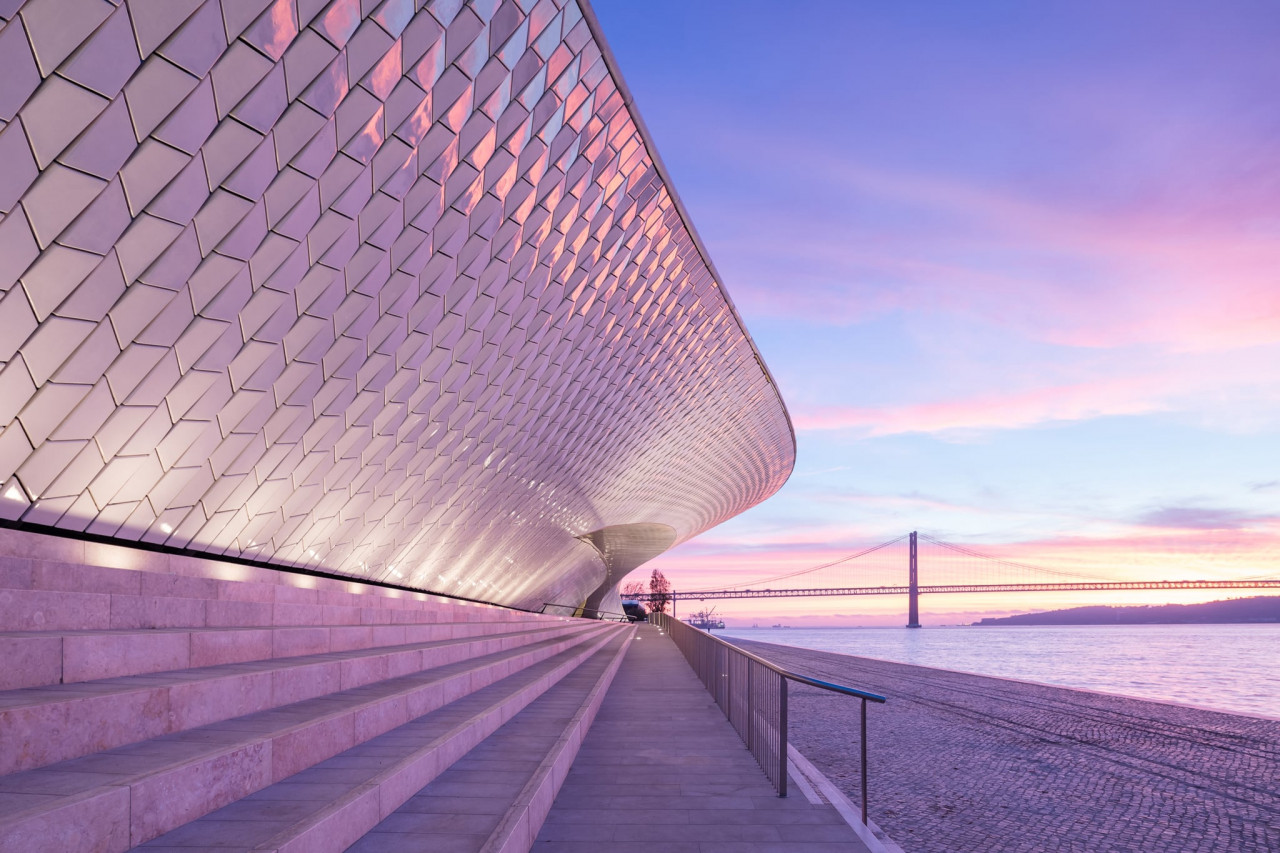
Students often describe the cultural side of a mobility — the friendships, the exploring, the sense of independence — as being as memorable as the work placement itself. It's also where a lot of informal language practice and cultural adjustment happens, outside the more structured environment of the workplace.
The best cultural programmes strike a balance — enough structure to make sure students see and do meaningful things, without turning the mobility into a packed tourist itinerary that leaves no room for rest after a working week. A few well-chosen group activities tend to work better than an overloaded schedule.
The wider case for Lisbon, including its cultural offer.
Read more → Portugal & LisbonPractical preparation before this part of the mobility begins.
Read more → VET InternshipsHow cultural time fits into the wider internship experience.
Read more →DNA Europe is a Lisbon-based host organisation for Erasmus+ KA1 VET mobility, coordinating placements, accommodation and documentation for partner schools.