
A realistic picture for students preparing for their first placement, beyond the highlight-reel version.
This guide is about vocational education (VET) placements, not veterinary work experience. Most students find the first two or three days are about orientation more than work — learning the commute, understanding the company's routines, adjusting to a new environment. It's normal for this period to feel a little disorienting; it doesn't mean the placement itself is off to a bad start.
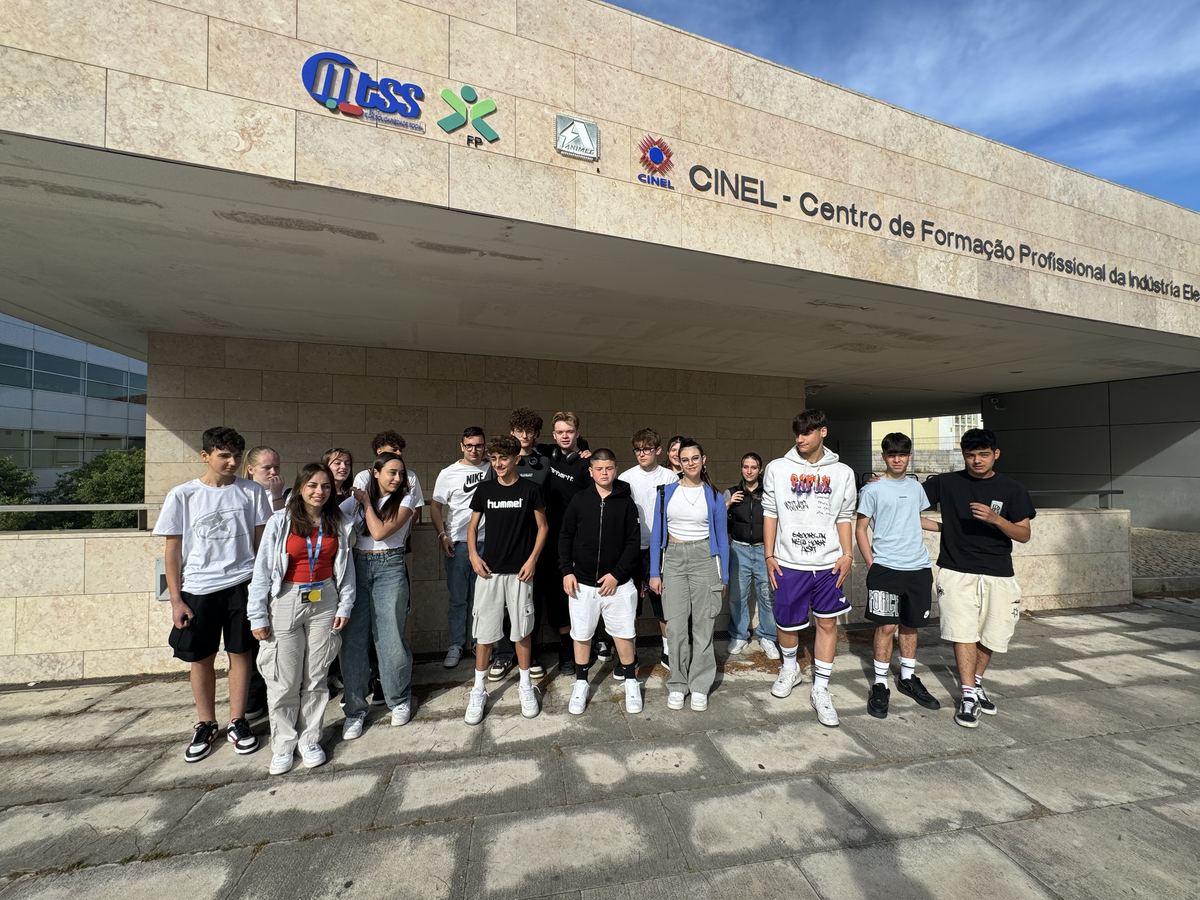
Language can be more tiring day to day than expected, even for students who felt confident beforehand — working in a second language for eight hours is a different experience from a classroom lesson. Homesickness, especially in the first week, is common and usually passes. And the actual pace of a workplace — sometimes slower, sometimes busier than imagined — rarely matches expectations exactly.
Not every day of a placement goes smoothly, and that's normal. What matters more is whether there's someone to turn to when something doesn't — a workplace tutor who takes the placement seriously, and a host organisation that responds quickly if a student needs help with anything from a housing issue to a difficult day at work.
Practical preparation for students heading to Lisbon specifically.
Read more → VET InternshipsThe structure behind the week-to-week experience.
Read more → Portugal & LisbonWhat the cultural side of the mobility can look like.
Read more →DNA Europe is a Lisbon-based host organisation for Erasmus+ KA1 VET mobility, coordinating placements, accommodation and documentation for partner schools.