
A structured work placement in another country, funded through Erasmus+ and built around a student's field of study.
Despite the abbreviation, this isn't a veterinary placement. A VET internship abroad means Vocational Education and Training: a structured work placement in a company in another country, matched to a student's field of study — hospitality, IT, engineering, gastronomy, and similar. It's not a guided tour or a classroom exchange; the student works, under supervision, doing tasks connected to the trade they're training in at home.
Three parties are typically involved: the sending school, which selects the student and applies for funding (usually through Erasmus+ KA1); a host organisation in the destination country, which arranges the placement, accommodation and local support; and the host company itself, where the student actually works under a named workplace tutor.
Most of the time, the sending school and the host company never interact directly — the host organisation acts as the link between them, translating a Learning Agreement into a real day-to-day placement.
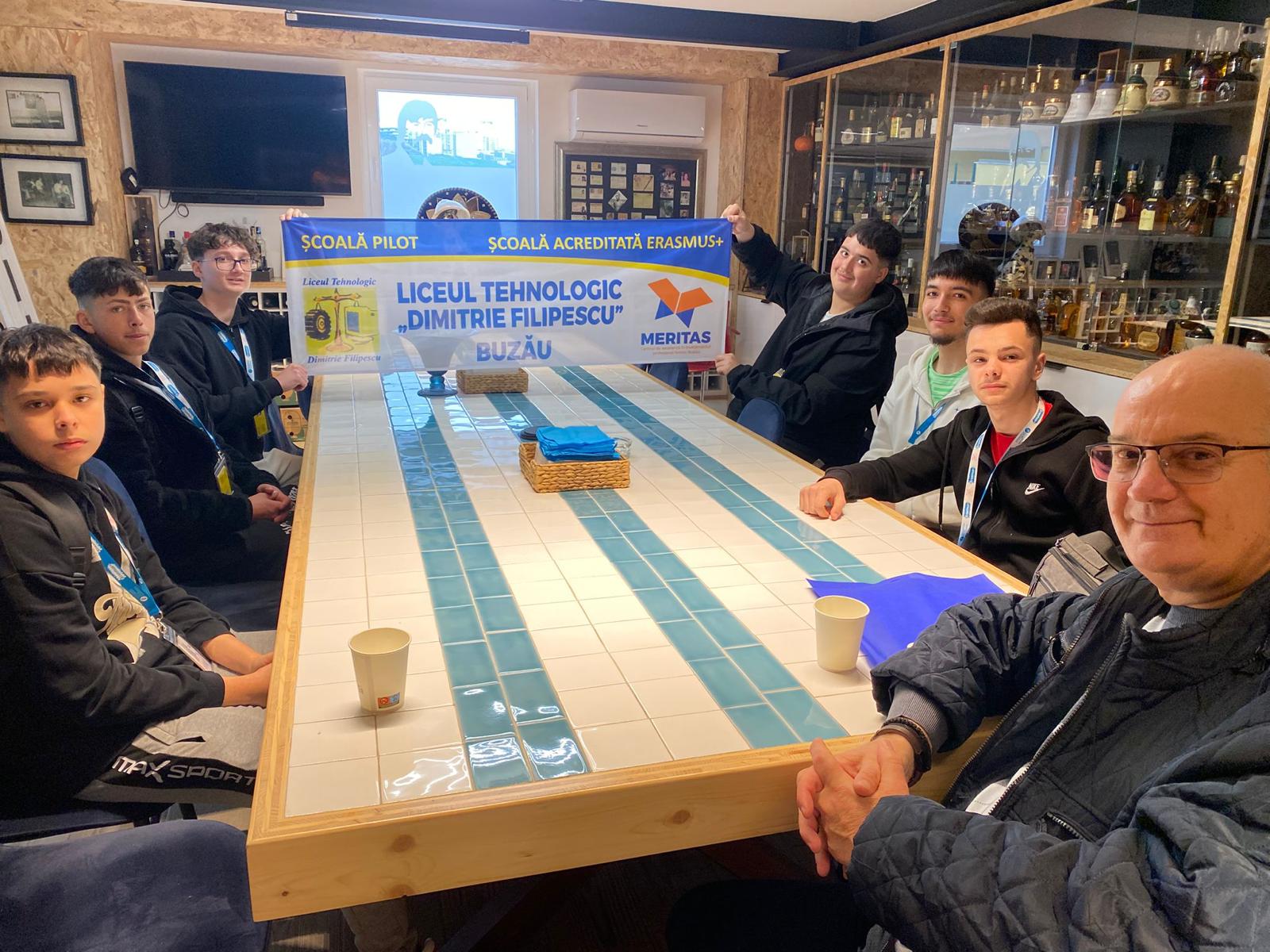
A well-run VET internship abroad typically bundles several things together, not just the work placement:
Unlike a normal job, a VET internship abroad is built around agreed learning outcomes, not just getting work done — the tasks are chosen to develop specific skills relevant to the student's qualification, and there's a formal record of what was covered. That's the difference between a genuine internship and simply putting a student to work.
How the funding side of this placement works.
Read more → Erasmus+What students actually gain from a placement like this.
Read more → Portugal & LisbonWhy Lisbon specifically suits this kind of placement.
Read more →DNA Europe is a Lisbon-based host organisation for Erasmus+ KA1 VET mobility, coordinating placements, accommodation and documentation for partner schools.