
Eligibility depends less on who you are and more on which organisation is applying — here's how it breaks down.
Erasmus+ eligibility works on two levels. First, an eligible organisation has to apply for and receive the grant — a school, VET provider, or other accredited body. Second, within an approved project, the organisation selects which students or staff actually travel, following its own selection criteria and the eligibility rules for that mobility type.
Individuals don't apply to Erasmus+ directly. A student can't submit their own application to "do Erasmus+" — they need to be enrolled at, or employed by, an organisation that holds or applies for the funding.
Learners enrolled in vocational education and training programmes, sent abroad for a work placement or structured learning period.
Teachers and trainers taking part in job shadowing, teaching assignments or training abroad.
In some project types, learners who have recently completed their VET programme can still take part, within defined time limits.
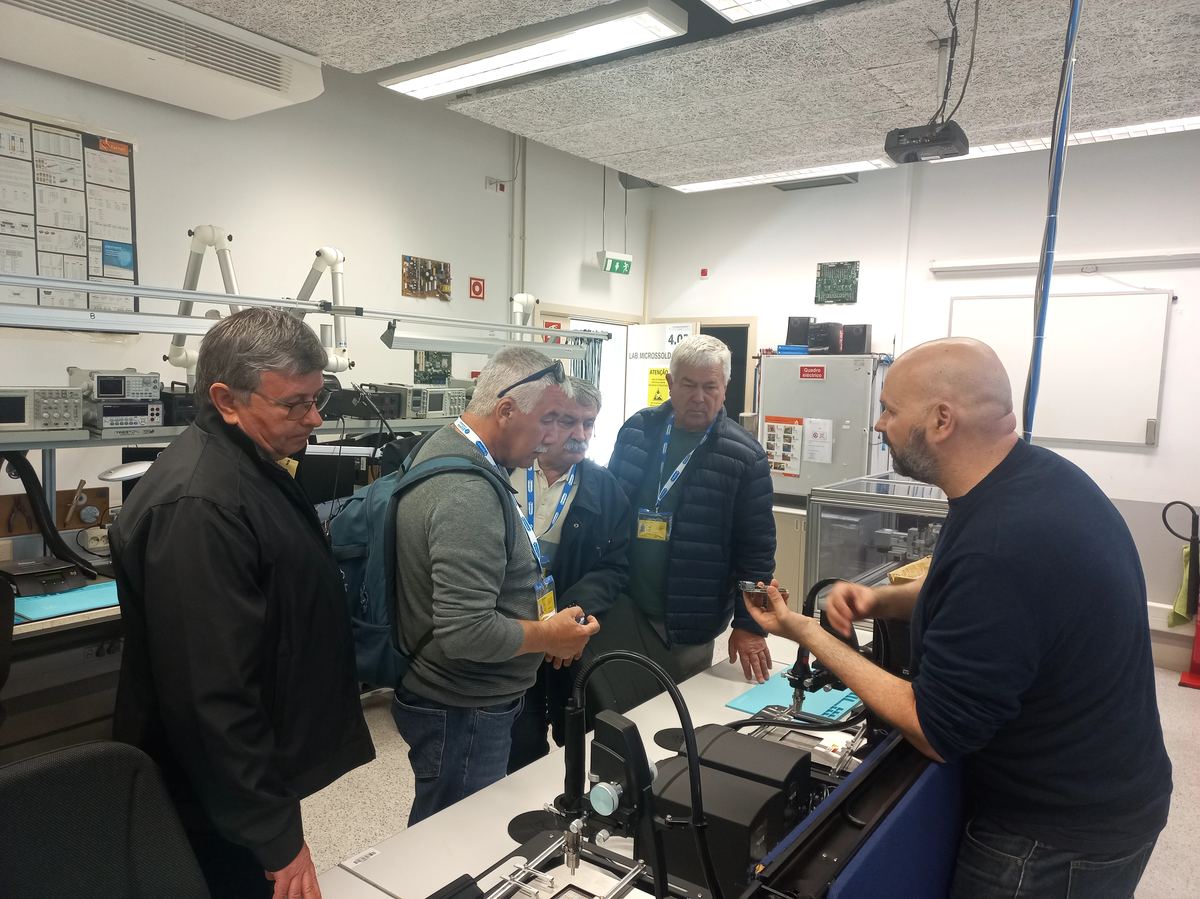
Eligible applicants are typically schools and training providers delivering vocational education and training, along with organisations active in the VET sector — chambers of commerce, sectoral bodies, and in some cases companies that provide training. Each organisation needs to be established in a country participating in the programme.
For schools applying for the first time, the short-term mobility project route (rather than full Erasmus Accreditation) is usually the more accessible starting point — see how a school can participate in an Erasmus+ project for the practical steps.
Beyond the programme's own eligibility rules, each school sets its own selection process — often based on language level, motivation, academic standing, or a simple interview. Schools working with a host partner abroad are usually expected to confirm that selected students match the fields of study available at the destination, since placements are matched by profession, not assigned at random.
The programme structure behind every mobility project.
Read more → Erasmus+The application route for schools new to the programme.
Read more → Erasmus+The paperwork that follows once students are selected.
Read more →DNA Europe is a Lisbon-based host organisation for Erasmus+ KA1 VET mobility, coordinating placements, accommodation and documentation for partner schools.