
What changes for a student, and for the school that sends them.
Working in an unfamiliar company, in a second language, without the usual safety net of home, tends to accelerate things that are genuinely hard to teach directly — adaptability, initiative, and the confidence to ask questions in a professional setting rather than a classroom. Students consistently describe the independence side of the experience — managing money, transport and daily life abroad — as being as formative as the work itself.
Hands-on experience in a real company, doing tasks connected to their trade rather than simulated exercises.
A documented international placement that stands out on a CV, particularly for roles involving customer contact or international clients.
Daily working exposure to a second language, which tends to build fluency faster than classroom study.
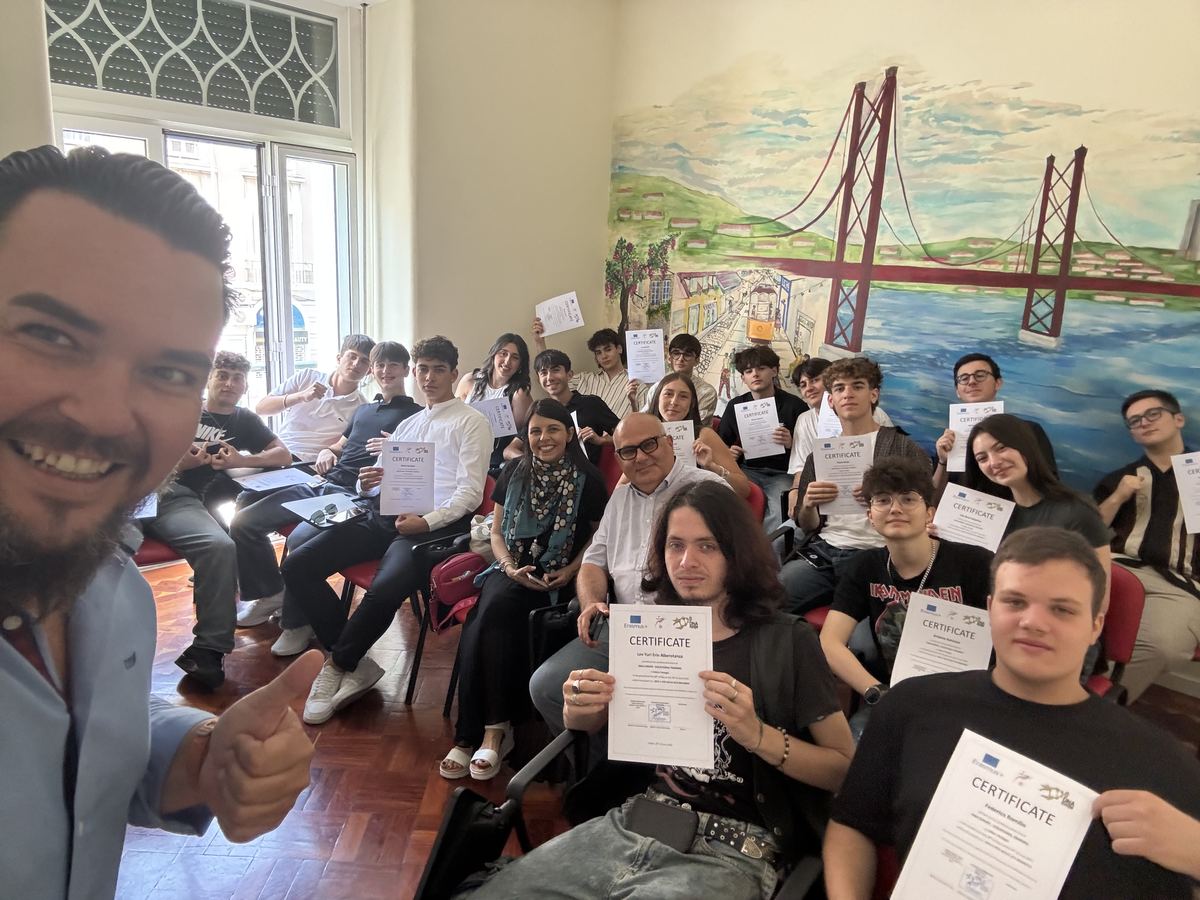
Schools that run VET internships abroad regularly report that it strengthens their international profile, gives them something concrete to point to when recruiting new students, and often improves relationships with local employers too, once companies see graduates returning with broader experience. It also builds internal expertise — a coordinator who's run five projects handles the sixth far more smoothly than the first.
These benefits aren't automatic — they depend heavily on the quality of the placement itself. A student with a genuinely engaged workplace tutor and meaningful tasks gets a very different experience from one left to observe passively. This is why evaluating a host partner's placement quality matters as much as confirming the funding; see how schools can ensure the quality of a VET internship.
How these placements are structured in the first place.
Read more → VET InternshipsWhat separates a strong placement from a weak one.
Read more → VET InternshipsSetting realistic expectations before departure.
Read more →DNA Europe is a Lisbon-based host organisation for Erasmus+ KA1 VET mobility, coordinating placements, accommodation and documentation for partner schools.