
Quality isn't automatic — it comes from specific choices before and during the mobility.
Funding a mobility doesn't guarantee a good placement — quality depends on specific choices a school and its host partner make before a student even arrives, and how closely the placement is monitored once it's running.
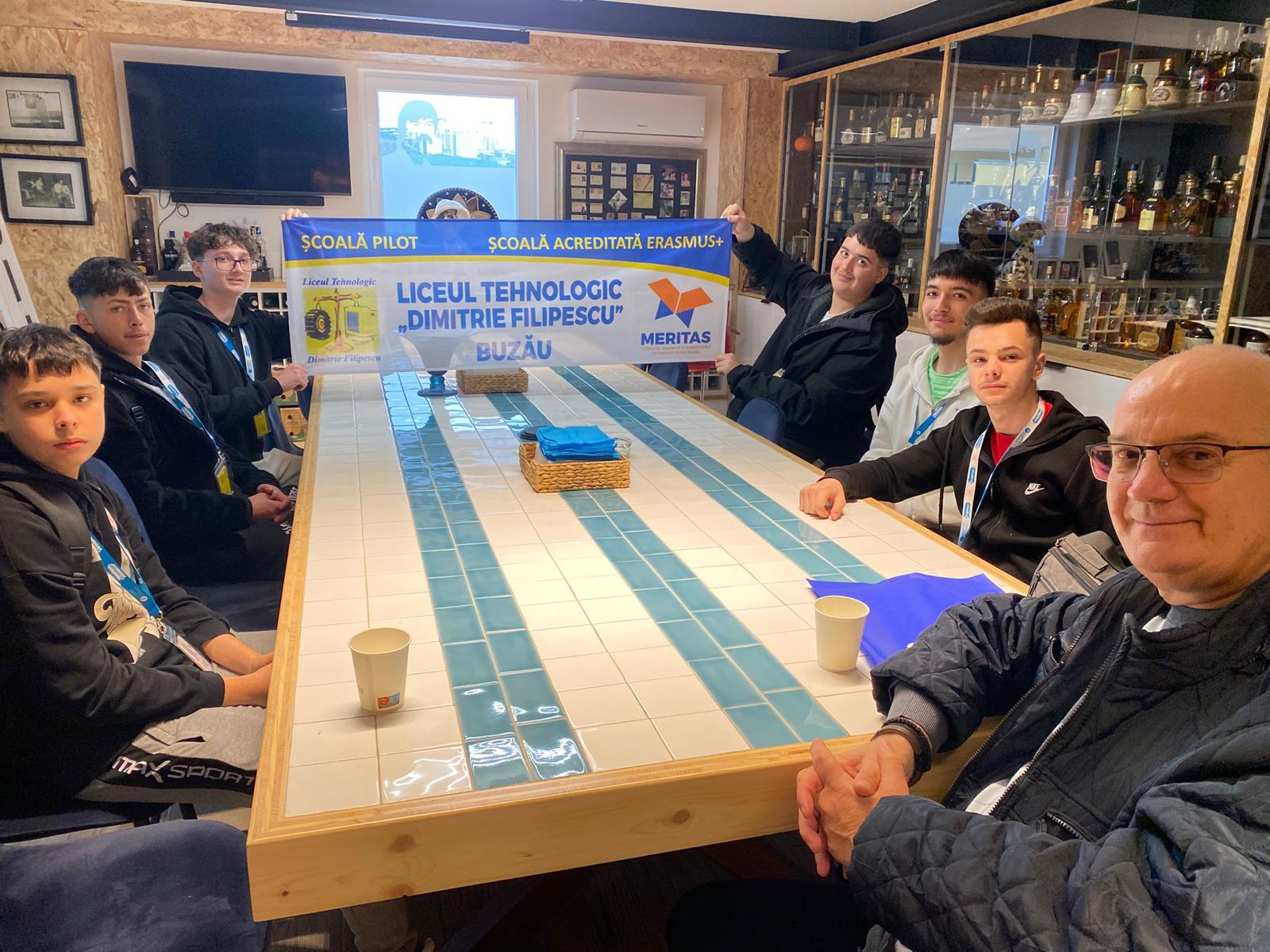
Regular check-ins — not just a start-and-end contact — are what let a school or host organisation catch a poorly performing placement while there's still time to fix it. A student who's clearly not being given real tasks after the first week is a solvable problem if someone's watching; it's a wasted mobility if no one notices until the final report.
A host organisation that's run many cycles of placements typically has a clearer sense of which companies deliver consistently and which don't, and adjusts its network accordingly over time. That accumulated judgement is difficult for a school to replicate on its own from a distance, which is part of why placement quality tends to track the experience of the local partner involved.
The day-to-day structure quality monitoring sits within.
Read more → Erasmus+ KA1How weak placement quality connects to wider project mistakes.
Read more → Erasmus+ PartnershipsThe partner traits that correlate with consistent placement quality.
Read more →DNA Europe is a Lisbon-based host organisation for Erasmus+ KA1 VET mobility, coordinating placements, accommodation and documentation for partner schools.