
The recurring issues that turn a promising project into a stressful one — and how to avoid them.
The projects that run into trouble rarely fail because of the funding itself — they struggle because of decisions made (or not made) months before departure. The same handful of issues show up repeatedly across schools running their first, or even their fifth, KA1 project.
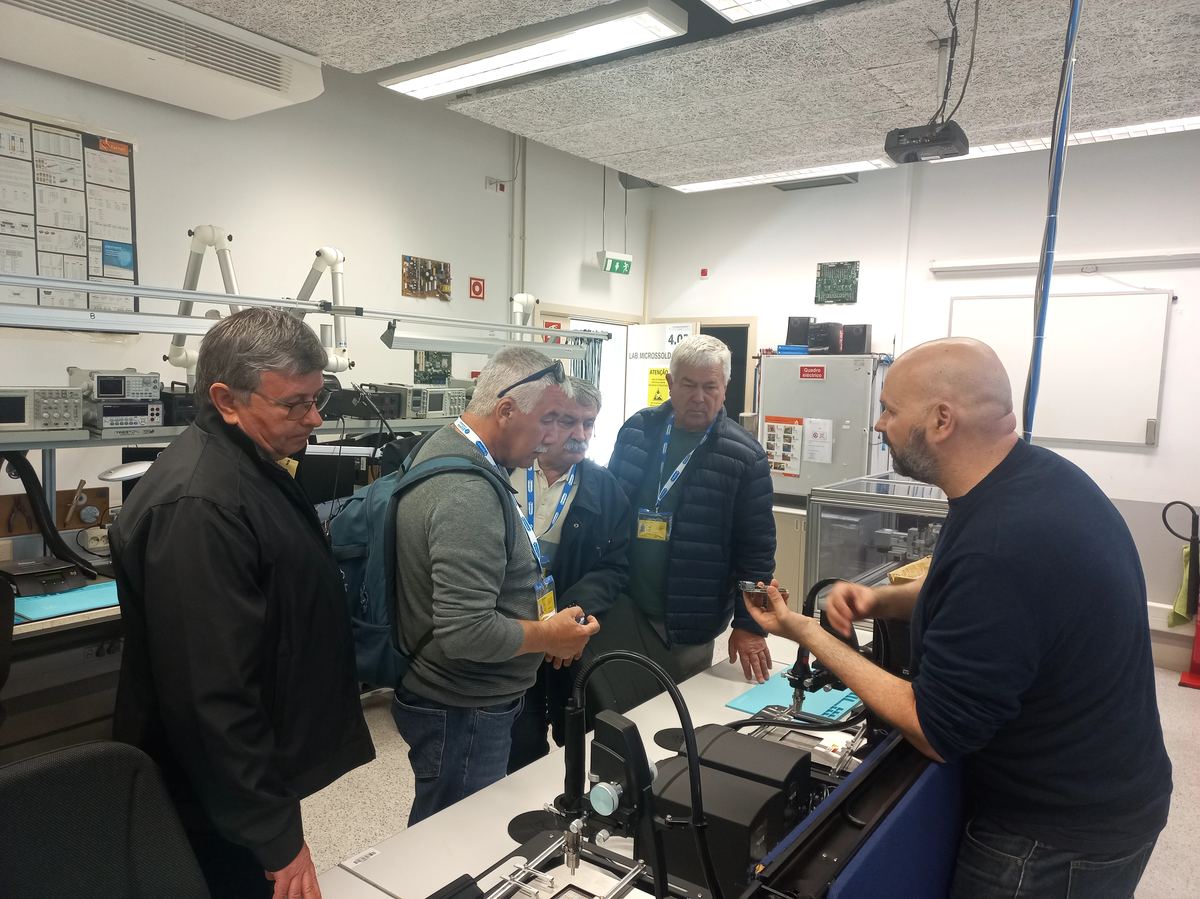
Most of these mistakes come from a school trying to manage details it can't easily see from abroad — which company is actually a good fit, whether accommodation is genuinely suitable, whether a workplace tutor is engaged or just nominal. A host partner with local experience closes that gap, because they're the ones who can check a placement in person before a student arrives, not just on paper.
Almost every mistake on this list becomes easier to avoid with more lead time — confirming a host partner and placements three to four months ahead, rather than six weeks, gives everyone room to catch problems before they become urgent. This is worth reading alongside how schools organise a successful Erasmus+ mobility.
Getting the application right reduces problems later.
Read more → VET InternshipsConcrete steps to keep placement quality high.
Read more → Erasmus+ PartnershipsChoosing a partner that reduces these risks from the start.
Read more →DNA Europe is a Lisbon-based host organisation for Erasmus+ KA1 VET mobility, coordinating placements, accommodation and documentation for partner schools.