
What actually distinguishes a strong application from one that struggles to get funded.
A KA1 application is assessed on how credible and well-planned the project is, not on how ambitious it sounds. "We want our students to gain international experience" is a weaker sentence than a description of exactly which fields of study, how many students, what duration, and what kind of host organisation the school plans to work with.
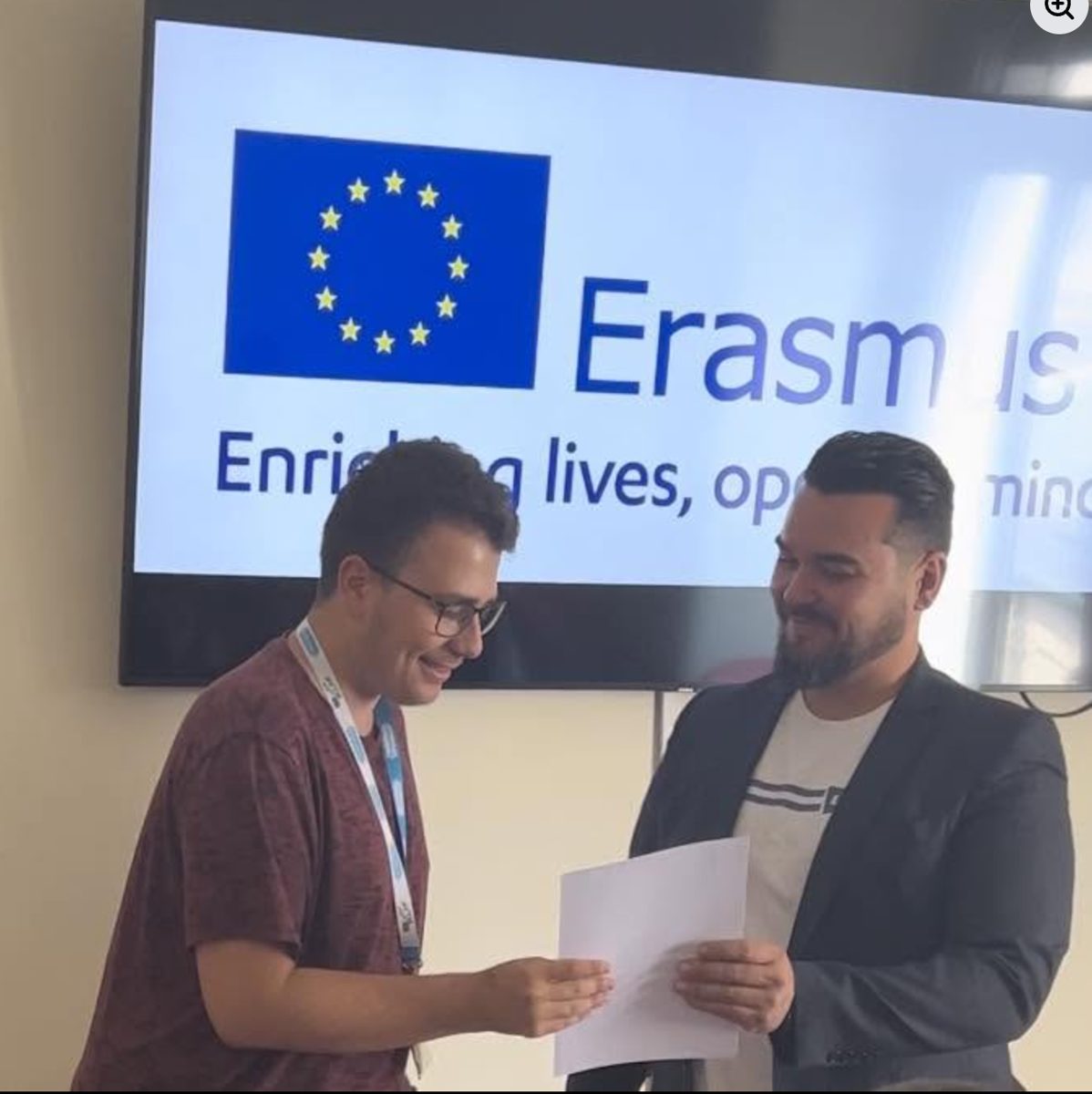
One of the most effective things a school can do before submitting is talk to a potential host organisation first. Knowing that a partner in Lisbon can realistically place eight tourism and hospitality students in June, for example, lets a school write an application grounded in fact rather than assumption — and gives the reviewer a concrete project to assess.
Vague objectives, participant numbers disconnected from what's achievable, and no clear plan for monitoring or reporting are the recurring weaknesses across applications that struggle. We look at these in more detail — and how to avoid them — in the most common mistakes in Erasmus+ KA1 projects.
The recurring weaknesses that hold applications and projects back.
Read more → Erasmus+ KA1Confirming eligibility before you start drafting.
Read more → Erasmus+ KA1Finding the host partner that makes an application concrete.
Read more →DNA Europe is a Lisbon-based host organisation for Erasmus+ KA1 VET mobility, coordinating placements, accommodation and documentation for partner schools.